Alston Font for a Polished Brand Look
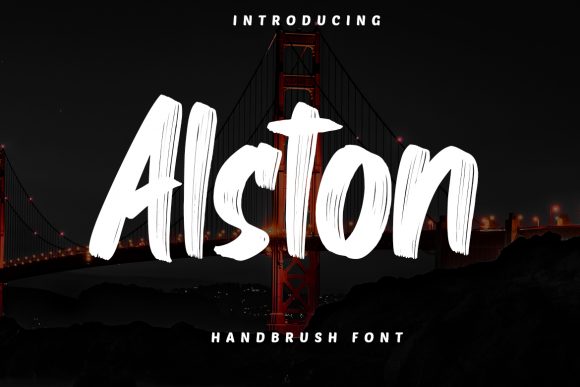
I was recently helping a local bakery refresh their packaging and branding, and one of the most impactful changes we made was choosing the right font. After some research and testing, we landed on Alston, a brushed, thick lettered display font that instantly brought a modern and urban feel to their brand. It wasn’t just about looking good—it was about feeling trustworthy, consistent, and memorable.
Alston has this cool, clean look with bold strokes that make it stand out without being overwhelming. The brushed texture gives it a slightly handcrafted edge, which felt perfect for a small business that wanted to appear both professional and approachable. It’s not too flashy, but it definitely has presence. I found myself using it on everything from product labels to Instagram posts, and it always looked intentional.
A Font That Works Across Many Surfaces
One of the first places we used Alston was on the bakery’s new box labels. Before, they had a generic sans serif font that didn’t really reflect their brand personality. With Alston, the labels now have a cohesive look that matches the overall design of their shop. It’s also great for headlines and short phrases, which is exactly what you need for something like a product title or a promotional tagline.
We tested it on printed materials, digital banners, and even social media thumbnails, and it performed well across all formats. The thickness of the letters makes it readable even at smaller sizes, which is important when designing for mobile screens or printed tags. I noticed that it also worked beautifully in black and white, which is a big plus for businesses that might want to keep things simple or print in limited color palettes.
Real-World Applications for Small Businesses
If you’re running a boutique, a café, or an online store, Alston can be a versatile tool in your design toolkit. Here are a few real-life examples of how it could work:
- Coffee Shop Menus: Use Alston as the main headline font for drink names and special offers. Pair it with a clean sans serif for the supporting text to create balance.
- Skincare Product Labels: The modern and slightly textured look of Alston can add sophistication to product titles while still being easy to read.
- Social Media Graphics: It works well for Instagram posts, especially if you're promoting a new product or event. Its boldness ensures your message stands out in a feed.
- Thank-You Cards: A handwritten feel combined with a polished look makes Alston ideal for personal touches like thank-you cards or customer appreciation notes.
How Typography Shapes Your Brand Identity
Choosing the right font isn’t just about aesthetics—it plays a huge role in shaping how customers perceive your brand. Typography affects first impressions, readability, and even trustworthiness. A font like Alston helps convey a sense of professionalism and modernity, which can be especially useful for startups or small businesses trying to build credibility.
Consistency is key when it comes to brand identity. Using the same font across different platforms—whether it’s your website, packaging, or social media—helps reinforce your brand’s visual language. Alston is a great choice because it feels unique enough to stand out but still maintains a level of familiarity that keeps your audience engaged.
When pairing fonts, I recommend using a clean sans serif like Helvetica or Arial as a complementary font for body text. This contrast adds visual interest while keeping the design balanced. For more creative projects, a script or handwritten font could work well as an accent, but Alston should remain the primary display font for maximum impact.
Practical Tips for Using Alston Effectively
Before diving into using Alston for your branding, there are a few things to consider. First, check what styles and file formats are included. Does it come with alternate characters or ligatures? These can be helpful for creating more refined designs. Also, ensure that the font supports multilingual characters if your business operates in multiple languages.
Another important factor is licensing. If you plan to use the font on products, merchandise, or templates, you’ll need a commercial license. Always review the terms before finalizing your design decisions. Lastly, test the font in various contexts—print, digital, mobile—to make sure it looks good everywhere your brand appears.
Overall, Alston is a reliable and stylish font that can elevate your brand’s visual appeal. Whether you're updating your logo, redesigning your packaging, or improving your social media presence, this font brings a fresh, modern touch that aligns well with today’s design trends. It’s not just a font—it’s a design decision that can help your business stand out in a crowded market.